

Plastic waste in Kerala has become a growing environmental concern due to increasing consumption and disposal of plastic materials. Improper plastic disposal can pollute land, water bodies, and coastal ecosystems. To address this challenge, Kerala has developed various waste management and recycling initiatives that help recover valuable materials from discarded plastic.
Recycling plastic waste plays an important role in reducing pollution and conserving natural resources. Instead of sending plastic waste to landfills or allowing it to enter the environment, recyclable plastics are collected, sorted, processed, and converted into useful products. This approach supports sustainable waste management and helps reduce the demand for virgin plastic production.
Today, recycled products in Kerala are manufactured through a well-structured process involving waste collection agencies, local self governments, recycling facilities, and recycling companies. From door to door collection to the production of recycled plastic pellets and finished goods, every stage contributes to building a cleaner and more sustainable future. Understanding this journey helps individuals, businesses, and communities actively participate in Kerala’s growing circular economy.
Introduction to Plastic Waste Management in Kerala
Growing Plastic Waste Challenges
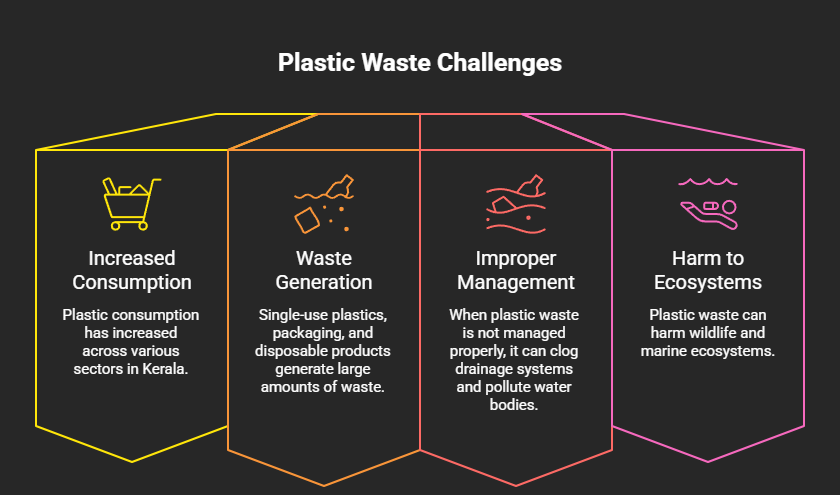
Plastic consumption has increased across households, businesses, institutions, and commercial sectors in Kerala. Single-use plastics, packaging materials, and disposable products generate large amounts of waste every day. When plastic waste is not managed properly, it can clog drainage systems, pollute water bodies, and harm wildlife and marine ecosystems.
Kerala’s Focus on Sustainable Recycling
Kerala has introduced various initiatives to improve waste management and reduce plastic pollution. Local self-government bodies, Haritha Karma Sena, Kudumbashree groups, and recycling organizations work together to collect and process plastic waste. These efforts aim to divert recyclable materials away from landfills and ensure they are returned to the production cycle through recycling.
Importance of Recycled Products
Recycled products help transform waste into valuable resources. Instead of treating plastic as a disposal problem, recycling allows it to be reused for manufacturing new products. This reduces the need for used raw materials, lowers environmental impact, and supports sustainable development. The growing demand for recycled products in Kerala also encourages businesses and communities to participate in responsible waste management practices.
Sorting and Recovery Infrastructure in Kerala
What Are Material Recovery Facilities (MRFs)?
Material Recovery Facilities, commonly called MRFs, are centers where collected waste is sorted into different categories. These facilities separate recyclable materials such as plastics, paper, metal, and glass. MRFs play a key role in improving recycling efficiency and reducing the amount of waste sent to disposal sites.
Role of Kunnanthanam State-Owned Processing Plant
The state-owned plastic processing facility at Kunnanthanam helps strengthen Kerala’s recycling infrastructure. It receives plastic waste from collection networks and processes recyclable materials for further recycling. Such facilities increase the state’s capacity to handle larger volumes of plastic waste and support sustainable waste management goals.
Manual and Automated Waste Sorting
Plastic waste arriving at recovery facilities is sorted based on material type, quality, and recyclability. Workers manually remove contaminants and separate different plastic categories. In larger facilities, automated systems help improve sorting speed and accuracy, ensuring better recovery rates.
Optical Sensors and Air Jet Technology
Modern recycling plants may use optical sensors to identify different plastic materials. These sensors detect material characteristics and help separate plastics quickly. Air jet technology then directs identified plastics into separate collection streams, improving sorting quality and reducing contamination.
Plastic Baling and Storage Process
After sorting, recyclable plastics are compressed into compact bales. Baling reduces storage space requirements and makes transportation easier. The baled plastic is then stored temporarily before being transported to recycling plants, where it enters the next stage of processing and product manufacturing.
The Plastic Recycling Process
Cleaning Plastic Waste
Before recycling begins, collected plastic waste is thoroughly cleaned to remove dirt, food residue, labels, adhesives, and other contaminants. Clean plastic improves recycling efficiency and helps produce higher-quality recycled materials. This step is essential for ensuring the final products meet quality standards.
Shredding and Size Reduction
After cleaning, the plastic is fed into shredding machines. These machines break larger plastic items into small flakes or pieces. Size reduction makes the material easier to handle and prepares it for further processing stages.
Separation and Purification
The shredded plastic undergoes additional separation processes to remove unwanted materials. Different techniques are used to separate plastics based on density, type, and composition. This purification stage helps create a cleaner and more consistent recycling feedstock.
Extrusion and Pellet Production
Once purified, the plastic flakes are melted and passed through an extrusion system. The molten plastic is formed into strands and then cut into small recycled plastic pellets. These pellets serve as the raw material for manufacturing a wide range of recycled plastic products.
Quality Control Procedures
Quality checks are performed throughout the recycling process. Recycled pellets are tested for purity, strength, consistency, and performance. Proper quality control ensures that manufacturers receive reliable materials suitable for producing durable recycled products.
Environmental and Economic Benefits
Reduction of Plastic Pollution
Recycling helps reduce the amount of plastic waste entering landfills, rivers, and coastal areas. By converting discarded plastics into useful products, Kerala can minimize environmental pollution and protect ecosystems. Effective recycling also reduces the harmful effects of plastic accumulation in communities and natural habitats.
Conservation of Natural Resources
Recycled plastic reduces the need for virgin raw materials derived from fossil fuels. Manufacturing products from recycled materials requires fewer natural resources and helps lower the environmental footprint of production. This supports long-term resource conservation and sustainable development.
Job Creation and Women-Led Employment
Kerala’s recycling ecosystem creates employment opportunities across waste collection, sorting, processing, and manufacturing activities. Organizations such as Haritha Karma Sena and Kudumbashree have enabled many women to participate in waste management initiatives, generating income while contributing to environmental protection.
Support for Local Recycling Businesses
The growing demand for recycled materials encourages investment in recycling infrastructure and local recycling enterprises. Businesses involved in waste collection, material recovery, plastic processing, and recycled product manufacturing benefit from a stronger recycling economy. This creates opportunities for innovation and sustainable business growth.
Strengthening Kerala’s Circular Economy
Plastic recycling supports a circular economy by keeping materials in use for longer periods. Instead of following a “use and dispose” model, recyclable plastics are collected, processed, and transformed into new products. This reduces waste generation, improves resource efficiency, and helps Kerala move toward a more sustainable future.
Kerala’s Future Goals for Plastic Waste Management
Plastic-Neutral Kerala by 2030
Kerala aims to reduce the environmental impact of plastic waste through stronger recycling systems, improved waste collection, and increased public participation. The vision of a plastic-neutral Kerala focuses on ensuring that plastic generated is effectively collected, recovered, and managed through sustainable practices.
Coastal Community Protection
As a coastal state, Kerala faces significant challenges from plastic pollution in rivers, backwaters, and marine environments. Future waste management efforts focus on preventing plastic leakage into water bodies and protecting coastal communities that depend on healthy ecosystems for their livelihoods.
Expansion of Recycling Infrastructure
The state continues to invest in expanding recycling facilities, material recovery centers, and plastic processing plants. Improved infrastructure can increase recycling capacity, reduce waste accumulation, and support the growing demand for recycled materials and products.
Sustainable Waste Management Initiatives
Kerala is promoting sustainable waste management through awareness campaigns, source segregation programs, decentralized waste collection systems, and community participation. These initiatives encourage responsible waste handling and improve the efficiency of recycling operations across the state.
Building a Circular Economy
A key long-term goal is to strengthen Kerala’s circular economy. This involves keeping materials in circulation through reuse, recycling, and resource recovery. By reducing dependence on virgin materials and increasing the use of recycled products, Kerala can create a more sustainable and resource-efficient economy.
How Businesses and Communities Can Support Recycling
Proper Waste Segregation
Waste segregation is the first step toward effective recycling. Households, businesses, schools, and institutions should separate plastic waste from organic and non-recyclable waste. Proper segregation reduces contamination and helps recycling facilities recover more recyclable materials efficiently.
Choosing Recycled Products
Purchasing recycled products encourages demand for recycled materials and supports the local recycling industry. Businesses and consumers can choose recycled plastic furniture, bins, construction materials, and other sustainable products to reduce their environmental impact and promote responsible consumption.
Supporting Local Recycling Programs
Communities can actively participate in local recycling initiatives by working with waste collection agencies, Haritha Karma Sena members, and recycling organizations. Supporting collection drives, awareness programs, and recycling campaigns helps strengthen Kerala’s waste management ecosystem.
Reducing Single-Use Plastics
Reducing the use of disposable plastic products is essential for long-term sustainability. Businesses and individuals can switch to reusable alternatives, minimize unnecessary packaging, and adopt environmentally responsible practices. These actions help reduce plastic waste generation and improve overall recycling outcomes.
Conclusion
The journey of plastic waste in Kerala begins with collection and segregation and continues through sorting, cleaning, shredding, recycling, and product manufacturing. Through the combined efforts of local communities, Haritha Karma Sena, recycling facilities, government initiatives, and recycling businesses, discarded plastic is transformed into valuable products that can be used again.
Recycling plastic waste helps reduce pollution, conserve natural resources, create employment opportunities, and support Kerala’s circular economy goals. As recycling infrastructure continues to expand and public awareness grows, businesses and communities can play an important role in building a cleaner, more sustainable future by supporting responsible waste management and choosing recycled products whenever possible.