

Retailers handle plastic packaging every single day. Understanding each type of plastics improves smarter purchasing decisions. It also supports responsible recycling and waste reduction. Small packaging choices create significant business and environmental impacts.
Plastic products carry identification numbers for easier sorting. These numbers identify different plastic resin materials. They do not guarantee local recycling acceptance. Retailers should understand this important difference.
This guide explains the seven plastic categories clearly. You will learn common retail applications and recycling value. We also compare advantages, limitations, and sustainability considerations. These insights support better packaging decisions for every retailer.
What Are Plastic Resin Identification Codes?
Plastic resin identification codes classify plastic materials consistently. Manufacturers place these numbers inside recycling symbols. Each code identifies one specific plastic resin. ASTM International introduced this identification system.
Many people confuse recycling with resin identification. Resin codes identify material composition only. They never guarantee local recycling availability. Recycling programs vary across different regions.
The system includes seven standard plastic categories. Each category offers different physical properties. Every material serves different packaging requirements. Retailers should match materials with product needs.
Recyclable plastics also differ from recycled plastics. Recyclable plastics may enter recycling systems. Recycled plastics already contain recovered materials. Understanding this difference improves purchasing decisions.
Why Retailers Should Understand Every Type of Plastics
Retail packaging protects products during storage and transport. Material selection affects product quality and safety. Wrong choices increase damage and replacement costs. Better choices improve customer satisfaction.
Plastic types perform differently under different conditions. Some resist moisture very effectively. Others handle heat much better. Retailers should understand these differences.
Customers increasingly value sustainable packaging solutions. Many check recycling symbols before purchasing. Responsible packaging builds customer trust. It also strengthens brand reputation.
Knowledge improves purchasing and procurement decisions. Buyers compare performance with environmental impacts. They avoid unsuitable packaging materials. This reduces unnecessary packaging waste.
Understanding resin codes supports recycling compliance. Proper sorting improves recycling efficiency. It also reduces contamination risks. Recycling partners benefit from cleaner materials.
Retailers also lower long-term operating costs. Better materials reduce product losses. Efficient packaging simplifies transportation. Waste management also becomes easier.
Choosing suitable packaging offers several advantages.
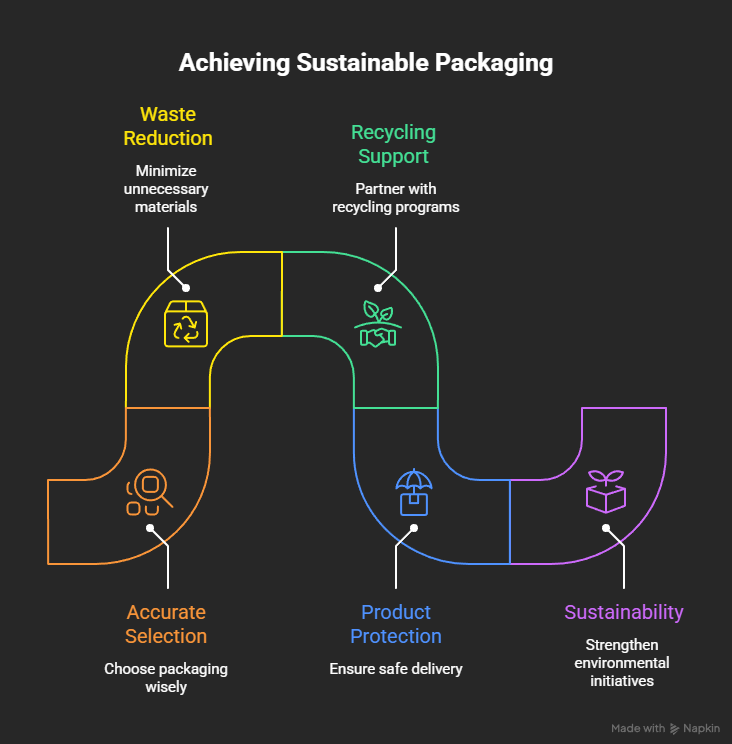
- Improves purchasing accuracy.
- Reduces unnecessary packaging waste.
- Supports recycling partnerships.
- Protects products effectively.
- Strengthens sustainability initiatives.
- Enhances customer confidence.
- Improves operational efficiency.
- Supports responsible business practices.
1. PET (Polyethylene Terephthalate)
PET plastic carries Resin Identification Code 1. Manufacturers widely use this material. It remains lightweight and transparent. Many recycling programs accept PET.
Retailers commonly use PET packaging daily. Beverage bottles frequently contain PET plastic. Food containers also use PET. Personal care packaging often uses PET.
PET provides excellent product visibility. It offers strong moisture resistance. The material resists impact reasonably well. Transportation becomes easier because PET remains lightweight.
Advantages of PET Plastic
PET offers many practical retail benefits.
- Lightweight transportation.
- Excellent transparency.
- Strong moisture barrier.
- Widely recyclable.
- Affordable manufacturing costs.
- Good product protection.
Limitations of PET Plastic
PET also has several limitations.
- Limited heat resistance.
- Single-use packaging dominates applications.
- Quality decreases after repeated recycling.
- Improper disposal increases plastic pollution.
Recycling Process
Most recycling facilities collect PET separately. Workers clean and sort materials carefully. Machines shred plastic into flakes. Manufacturers produce new packaging and textiles.
According to the United States Environmental Protection Agency (EPA), recycling PET helps conserve resources. It also reduces landfill waste. Local recycling acceptance still varies. Retailers should verify regional recycling programs.
Environmental Impact
PET remains one of the most recycled plastics. Proper collection improves recycling success. Poor disposal harms natural ecosystems. Responsible disposal supports circular material use.
Retail Recommendations
Choose PET for clear product packaging. Use PET for beverages and foods. Always display recycling symbols clearly. Confirm local recycling availability before purchasing.
PET vs HDPE
| Feature | PET | HDPE |
| Resin Code | 1 | 2 |
| Appearance | Clear | Opaque |
| Weight | Lightweight | Lightweight |
| Moisture Resistance | Excellent | Excellent |
| Heat Resistance | Moderate | Better |
| Common Uses | Bottles, food containers | Milk bottles, detergent containers |
| Recyclability | Widely accepted | Widely accepted |
| Best Choice | Product visibility | Strong durable containers |
2. HDPE (High-Density Polyethylene)
HDPE plastic carries Resin Identification Code 2. This material offers excellent strength and durability. It withstands moisture and many chemicals. Retailers widely use HDPE packaging.
Many everyday products contain HDPE plastic. Milk bottles commonly use HDPE containers. Detergent bottles also use this material. Cleaning products often rely on HDPE.
HDPE performs well under demanding conditions. It resists cracking during transportation. The material handles repeated handling effectively. Its rigid structure protects packaged products.
Advantages of HDPE Plastic
HDPE offers several valuable retail benefits.
- Strong and durable material.
- Excellent moisture resistance.
- Good chemical resistance.
- Lightweight for transportation.
- Widely accepted for recycling.
- Long service life.
Limitations of HDPE Plastic
HDPE also presents some limitations.
- Lower transparency than PET.
- Less suitable for display packaging.
- Limited flexibility for thin films.
- Surface scratches appear over time.
Recycling Value
Many recycling programs accept HDPE products. Facilities sort containers by resin code. Recycled HDPE becomes new packaging materials. It also supports plastic lumber production.
Recycling HDPE conserves valuable raw materials. It also reduces landfill waste. Collection systems differ by location. Retailers should confirm local recycling options.
Environmental Impact
HDPE offers strong recycling potential. Proper collection improves material recovery. Responsible disposal limits environmental pollution. Recycled HDPE supports circular resource use.
Retail Recommendations
Choose HDPE for durable product containers. Use it for household liquid products. Select HDPE when strength matters. Always verify regional recycling acceptance.
HDPE vs LDPE
| Feature | HDPE | LDPE |
| Resin Code | 2 | 4 |
| Structure | Rigid | Flexible |
| Strength | High | Moderate |
| Moisture Resistance | Excellent | Excellent |
| Common Uses | Bottles, containers | Bags, films, wraps |
| Recyclability | Widely accepted | Limited acceptance |
| Durability | Excellent | Good |
| Best Choice | Rigid packaging | Flexible packaging |
HDPE suits rigid retail packaging better. LDPE performs well for flexible applications. Retailers should match packaging with product requirements. Proper selection improves product protection and sustainability.
3. PVC (Polyvinyl Chloride)
PVC plastic carries Resin Identification Code 3. This material offers excellent durability and strength. Manufacturers produce rigid and flexible versions. Retailers use both forms widely.
Rigid PVC suits strong packaging applications. Flexible PVC contains added plasticizers. Each version serves different retail needs. Material selection depends on product requirements.
Retailers commonly use PVC for packaging. Blister packs often contain PVC sheets. Shrink sleeves also use this material. Pipes and display products use rigid PVC.
Advantages of PVC Plastic
PVC offers several practical retail benefits.
- Strong and durable material.
- Good chemical resistance.
- Excellent moisture protection.
- Long product lifespan.
- Supports many packaging applications.
- Available in flexible forms.
Limitations of PVC Plastic
PVC also presents several drawbacks.
- Recycling remains more challenging.
- Collection programs remain limited.
- Additives complicate recycling processes.
- Improper disposal creates environmental concerns.
Recycling Limitations
Many recycling facilities rarely accept PVC. Different additives require specialized processing methods. Mixed PVC contaminates recycling streams. Retailers should verify local collection programs.
Environmental Considerations
PVC requires careful waste management practices. Responsible disposal reduces environmental impacts. Recycling options remain limited in many regions. Material selection deserves careful consideration.
Appropriate Retail Use Cases
Choose PVC for protective blister packaging. Use rigid PVC for durable displays. Select flexible PVC when flexibility matters. Avoid unnecessary PVC packaging whenever possible.
PVC Compared with PET
| Feature | PVC | PET |
| Resin Code | 3 | 1 |
| Transparency | Good | Excellent |
| Flexibility | Rigid or flexible | Mostly rigid |
| Chemical Resistance | Excellent | Good |
| Recycling Acceptance | Limited | Widely accepted |
| Environmental Preference | Lower | Higher |
| Best Retail Use | Blister packs | Food and beverage packaging |
PVC performs well for protective packaging. PET offers stronger recycling opportunities. Retailers should balance performance and sustainability. Packaging goals should guide material selection
4. LDPE (Low-Density Polyethylene)
LDPE plastic carries Resin Identification Code 4. This material remains soft and flexible. It offers excellent moisture resistance. Manufacturers produce many lightweight packaging products.
Retailers frequently use LDPE for flexible packaging. Shopping bags commonly contain LDPE plastic. Stretch films also use this material. Bread bags often use LDPE.
LDPE bends without cracking easily. It protects products from moisture. The material weighs very little. Flexible packaging reduces transportation costs.
Advantages of LDPE Plastic
LDPE provides several retail advantages.
- Highly flexible material.
- Excellent moisture resistance.
- Lightweight packaging option.
- Good chemical resistance.
- Cost-effective manufacturing.
- Easy sealing performance.
Limitations of LDPE Plastic
LDPE also has important limitations.
- Lower strength than HDPE.
- Limited heat resistance.
- Difficult sorting during recycling.
- Less recycling availability locally.
Recycling Challenges
Many recycling facilities accept limited LDPE products. Thin films require separate collection systems. Contaminated films reduce recycling efficiency. Retailers should confirm local recycling acceptance.
LDPE recycling continues improving gradually. Collection programs vary between locations. Clean materials recycle more successfully. Proper disposal supports better material recovery.
Retail Guidance
Choose LDPE for flexible packaging needs. Use it for protective wrapping films. Select LDPE for lightweight products. Avoid unnecessary single-use packaging whenever possible.
LDPE Compared with HDPE
| Feature | LDPE | HDPE |
| Resin Code | 4 | 2 |
| Structure | Flexible | Rigid |
| Strength | Moderate | High |
| Flexibility | Excellent | Limited |
| Moisture Resistance | Excellent | Excellent |
| Common Uses | Bags, films, wraps | Bottles, containers |
| Recycling Acceptance | Limited | Widely accepted |
| Best Retail Use | Flexible packaging | Durable containers |
LDPE supports flexible retail packaging effectively. HDPE provides stronger structural protection. Retailers should match materials carefully. Correct selection reduces packaging waste and costs.
5. PP (Polypropylene)
PP plastic carries Resin Identification Code 5. This material offers excellent heat resistance. It also provides strong chemical resistance. Many retailers choose PP for reusable packaging.
PP appears in many retail products. Food containers commonly use PP plastic. Yogurt cups often contain PP. Bottle caps also use this material.
PP maintains its shape under heat. It withstands repeated daily use. The material remains lightweight and durable. These qualities extend product lifespan.
Advantages of PP Plastic
PP offers several important retail benefits.
- Excellent heat resistance.
- Strong chemical resistance.
- Durable reusable material.
- Lightweight for transportation.
- Good moisture resistance.
- Long product service life.
Limitations of PP Plastic
PP also has several limitations.
- Lower transparency than PET.
- Becomes brittle under extreme cold.
- Recycling availability varies locally.
- Not suitable for every application.
Recycling Opportunities
Many recycling programs now accept PP. Recycling infrastructure continues expanding globally. Clean PP improves recycling efficiency. Retailers should separate PP correctly.
Recycled PP becomes many useful products. Manufacturers produce storage bins and containers. Some products include automotive components. Material recovery reduces virgin plastic demand.
Environmental Impact
Reusable PP reduces single-use packaging needs. Recycling lowers plastic waste generation. Proper disposal protects natural environments. Responsible use supports circular economy goals.
Retail Suitability
Choose PP for reusable food containers. Use PP for microwave-safe packaging. Select PP for durable storage products. Verify local recycling acceptance before purchasing.
PP Compared with PET
| Feature | PP | PET |
| Resin Code | 5 | 1 |
| Heat Resistance | Excellent | Moderate |
| Transparency | Moderate | Excellent |
| Chemical Resistance | Excellent | Good |
| Reusability | High | Moderate |
| Recycling Acceptance | Growing | Widely accepted |
| Best Retail Use | Reusable containers | Beverage packaging |
PP performs better under high temperatures. PET provides better product visibility. Retailers should compare product requirements. Material selection improves packaging performance.
6. PS (Polystyrene)
PS plastic carries Resin Identification Code 6. This material remains lightweight and rigid. Manufacturers also produce expanded foam versions. Retailers use both forms extensively.
PS appears in many disposable products. Foam cups commonly use expanded PS. Food trays also contain this material. Protective packaging often uses PS foam.
PS provides good insulation properties. It cushions fragile products effectively. The material remains inexpensive to manufacture. These features reduce packaging costs.
Advantages of PS Plastic
PS offers several practical retail benefits.
- Lightweight packaging material.
- Good thermal insulation.
- Excellent cushioning performance.
- Affordable production costs.
- Suitable for disposable packaging.
- Protects fragile products effectively.
Limitations of PS Plastic
PS also presents several disadvantages.
- Breaks easily under impact.
- Limited heat resistance.
- Difficult recycling processes.
- High environmental concerns.
Recycling Challenges
Many recycling facilities rarely accept PS. Foam products require specialized collection methods. Lightweight materials complicate transportation efficiency. Contaminated PS reduces recycling success.
Local recycling programs vary considerably. Retailers should verify regional acceptance first. Separate collection improves recovery rates. Responsible disposal reduces unnecessary waste.
Environmental Concerns
Improperly discarded PS persists for many years. Lightweight pieces spread easily outdoors. Wildlife may mistake fragments for food. Responsible waste management remains essential.
Retail Alternatives
Choose reusable materials whenever practical. Consider PP for reusable containers. PET suits many food packaging needs. Paper-based options may fit certain products.
PS Compared with PP
| Feature | PS | PP |
| Resin Code | 6 | 5 |
| Structure | Rigid or foam | Rigid |
| Heat Resistance | Low | Excellent |
| Durability | Moderate | High |
| Reusability | Limited | Excellent |
| Recycling Acceptance | Limited | Growing |
| Best Retail Use | Disposable packaging | Reusable containers |
PS supports economical disposable packaging. PP offers greater durability and reuse. Retailers should prioritize sustainable alternatives. Better choices reduce long-term environmental impacts.
7. Other Plastics (Code 7)
Other plastics carry Resin Identification Code 7. This category includes several different plastic materials. These materials serve specialized industrial applications. Recycling methods differ across material types.
Code 7 includes many plastic varieties. Polycarbonate belongs to this category. Acrylic and nylon also qualify. Some bioplastics also use Code 7.
Mixed plastics sometimes receive Code 7. These materials combine multiple plastic resins. Mixed compositions complicate recycling processes. Material identification becomes especially important.
Common Applications
Code 7 plastics support many retail products.
- Reusable water bottles.
- Safety goggles and face shields.
- Electronic device components.
- Display panels and signage.
- Industrial equipment parts.
- Specialty food containers.
Advantages of Other Plastics
These materials provide several unique benefits.
- High impact resistance.
- Excellent durability.
- Specialized performance properties.
- Long service life.
- Supports advanced product designs.
- Suitable for demanding applications.
Limitations of Other Plastics
Code 7 plastics also have drawbacks.
- Limited recycling availability.
- Mixed material compositions.
- Higher manufacturing costs.
- Difficult waste sorting.
- Limited local collection programs.
- Complex recycling technologies.
Recycling Challenges
Many recycling facilities rarely process Code 7 plastics. Mixed materials require specialized recycling systems. Different polymers separate with difficulty. Retailers should verify local recycling acceptance.
Some bioplastics need industrial composting facilities. Standard recycling systems may reject them. Proper disposal depends on material type. Clear labeling helps waste management.
Why Identification Matters
Correct identification improves packaging decisions. Retailers avoid unsuitable material choices. Accurate sorting supports better recycling outcomes. Material knowledge reduces environmental impacts.
Procurement teams should review supplier specifications. Packaging labels should identify resin codes. Product requirements should guide selection. Sustainability goals should influence purchasing decisions.
Procurement Considerations
Choose Code 7 only when necessary. Compare alternatives before purchasing materials. Prefer recyclable options whenever possible. Balance performance with sustainability objectives.
Code 7 Compared with PP
| Feature | Other Plastics (Code 7) | PP |
| Resin Code | 7 | 5 |
| Material Type | Mixed or specialty plastics | Polypropylene |
| Recyclability | Limited | Growing |
| Common Uses | Electronics, reusable bottles, displays | Food containers, bottle caps |
| Cost | Generally higher | Moderate |
| Durability | High | High |
| Best Retail Use | Specialized applications | Everyday packaging |
Code 7 serves specialized packaging requirements. PP suits most everyday retail applications. Retailers should compare material performance carefully. Responsible selection supports long-term sustainability goals.
Comparison Table of All Seven Plastic Types
The seven plastic types offer different properties. Each material supports specific retail applications. Recycling acceptance also differs between materials. Retailers should compare options before purchasing.
| Plastic | Resin Code | Common Retail Uses | Recyclability* | Key Advantages | Key Limitations |
| PET (Polyethylene Terephthalate) | 1 | Beverage bottles, food containers | Widely accepted | Lightweight, transparent, moisture resistant | Limited heat resistance |
| HDPE (High-Density Polyethylene) | 2 | Milk bottles, detergent containers | Widely accepted | Strong, durable, chemical resistant | Opaque appearance |
| PVC (Polyvinyl Chloride) | 3 | Blister packs, shrink sleeves | Limited | Durable, moisture resistant | Difficult recycling |
| LDPE (Low-Density Polyethylene) | 4 | Shopping bags, films, wraps | Limited | Flexible, lightweight, moisture resistant | Lower strength |
| PP (Polypropylene) | 5 | Food containers, bottle caps | Growing acceptance | Heat resistant, reusable, durable | Lower transparency |
| PS (Polystyrene) | 6 | Foam cups, trays, protective packaging | Limited | Lightweight, insulating, affordable | Environmental concerns |
| Other Plastics | 7 | Electronics, reusable bottles, specialty products | Limited | Specialized performance, durable | Complex recycling |
*Recycling acceptance depends on local collection programs. Retailers should always verify regional recycling guidelines before selecting packaging materials.
Key Takeaways
PET and HDPE recycle more widely. Many retailers prefer these materials. They support efficient recycling systems. Product protection also remains reliable.
PP suits reusable retail packaging well. Its heat resistance improves versatility. Many recycling programs now accept PP. Local availability still varies.
PVC, PS, and Code 7 require caution. Recycling options remain more limited. Specialized processing often becomes necessary. Responsible selection reduces waste management challenges.
LDPE performs well for flexible packaging. However, recycling remains less consistent. Thin films require separate collection. Proper disposal improves recovery rates.
Selecting suitable materials improves retail operations. It reduces unnecessary packaging waste. Better choices support sustainability initiatives. They also strengthen long-term business performance.
How Retailers Can Choose Better Packaging Materials
Choosing suitable packaging improves retail performance. It also reduces unnecessary material waste. Better decisions support sustainability goals. Customers increasingly value responsible packaging.
Retailers should evaluate packaging before purchasing. Product protection should remain the priority. Material performance also deserves careful attention. Sustainability should guide every decision.
Cost alone should never decide purchases. Lower prices may increase waste later. Better materials reduce replacement costs. Long-term value matters most.
Retail Packaging Selection Checklist
Use this checklist before selecting packaging materials.
- Check the plastic resin code.
- Verify local recycling acceptance.
- Prefer recyclable packaging whenever possible.
- Reduce unnecessary packaging materials.
- Consider reusable packaging options.
- Review supplier sustainability practices.
- Match packaging with product requirements.
- Balance cost with environmental impact.
Check Plastic Resin Codes
Always identify the resin code first. Different plastics serve different purposes. Resin codes simplify material selection. They also improve waste sorting.
Retail teams should understand every resin code. Clear identification prevents packaging mistakes. Better knowledge improves purchasing decisions. It also supports recycling partnerships.
Verify Local Recycling Acceptance
Recycling rules differ between regions. Accepted plastics vary by municipality. Some materials require specialized collection. Always confirm local recycling guidelines.
Packaging may display recycling symbols. These symbols identify plastic types. They do not guarantee local recycling. Regional verification remains essential.
Reduce Unnecessary Packaging
Use only required packaging materials. Avoid excessive plastic layers completely. Simple packaging reduces material consumption. It also lowers transportation costs.
Smaller packages require fewer resources. Efficient packaging minimizes waste generation. Customers also appreciate reduced packaging. Sustainability benefits everyone involved.
Consider Reusable Packaging
Reusable packaging extends product life. It reduces single-use plastic demand. Durable materials support repeated use. Retailers also lower replacement costs.
PP and other durable plastics perform well. Reusable containers improve customer value. Product quality also remains protected. Long-term savings often increase.
Evaluate Supplier Sustainability Practices
Responsible suppliers support sustainable packaging goals. Review recycled content whenever available. Ask about environmental certifications. Request transparent sourcing information.
Suppliers should share material specifications clearly. Responsible sourcing improves procurement decisions. Strong partnerships encourage sustainable innovation. Better suppliers strengthen business reputation.
Balance Performance and Sustainability
Packaging should protect every product effectively. Environmental impacts also require consideration. Strong performance supports customer satisfaction. Sustainable choices support future growth.
Retailers should review packaging regularly. New materials continue entering markets. Continuous improvement reduces environmental impacts. Better decisions create lasting business value.
Common Mistakes Retailers Should Avoid
Many retailers overlook packaging material differences. Small mistakes create long-term business challenges. Better awareness prevents unnecessary packaging problems. Careful planning improves overall efficiency.
Understanding resin codes reduces costly mistakes. Proper material selection protects products better. It also supports responsible waste management. Retailers should review packaging regularly.
1. Ignoring Plastic Resin Codes
Many buyers ignore resin identification codes. This causes poor material selection. Unsuitable plastics reduce packaging performance. Recycling also becomes more difficult.
Always check the resin code first. Match materials with product needs. Correct identification improves purchasing decisions. It also supports better recycling outcomes.
2. Mixing Incompatible Plastics
Different plastics recycle through different processes. Mixing materials reduces recycling quality. Contaminated loads increase processing costs. Valuable materials may become waste.
Separate plastic types before disposal. Store recyclable materials correctly. Clear labeling improves waste sorting. Recycling partners also benefit.
3. Assuming Every Plastic Recycles Locally
Recycling symbols often confuse retailers. Resin codes identify material types only. They never guarantee local acceptance. Recycling rules differ across regions.
Always verify municipal recycling guidelines. Confirm accepted plastic categories first. Local information prevents disposal mistakes. Responsible planning improves sustainability.
4. Choosing the Lowest Cost Only
Low-cost packaging may reduce quality. Weak materials increase product damage. Replacement costs often increase later. Better value comes from balanced decisions.
Evaluate durability before purchasing materials. Compare environmental impacts carefully. Product protection should remain essential. Long-term savings matter most.
5. Using Unnecessary Packaging
Excess packaging wastes valuable resources. Customers increasingly dislike excessive plastics. Larger packages increase transportation costs. Waste management also becomes harder.
Choose simple packaging whenever possible. Remove unnecessary plastic layers. Efficient designs reduce material consumption. Sustainability improves customer confidence.
6. Missing Recycling Labels
Clear recycling labels guide proper disposal. Missing labels confuse customers easily. Incorrect disposal reduces recycling success. Material recovery also becomes difficult.
Display recycling information clearly. Include visible resin identification codes. Accurate labels improve waste sorting. Better communication supports sustainability goals.
Best Practices Summary
Retailers should review packaging regularly. Compare materials before every purchase. Work closely with responsible suppliers. Continuous improvement strengthens sustainable operations.
Future Trends in Retail Plastic Packaging
Retail packaging continues changing rapidly. Sustainability now drives many innovations. Businesses seek smarter packaging solutions. Customer expectations continue growing.
Future packaging focuses on material efficiency. Recycling systems also continue improving. Retailers should monitor emerging trends. Early adoption creates competitive advantages.
Mono-Material Packaging
Mono-material packaging uses one plastic type. Recycling becomes easier and cleaner. Sorting requires less effort. Material recovery also improves.
Many manufacturers now adopt this approach. Simpler packaging supports circular systems. Retailers benefit from easier recycling. Waste contamination also decreases.
Recycled Content Packaging
Many brands increase recycled plastic content. This reduces virgin plastic demand. Recovered materials remain valuable resources. Circular economy goals become achievable.
Retailers should request recycled-content packaging. Responsible sourcing strengthens sustainability efforts. Customers also value recycled materials. Brand reputation improves accordingly.
Extended Producer Responsibility (EPR)
EPR encourages producer accountability. Businesses share waste management responsibilities. Packaging design becomes more sustainable. Material recovery also improves.
Many regions continue expanding EPR policies. Retailers should understand local regulations. Compliance supports responsible business operations. Future requirements may increase.
Smart Recycling Labels
Digital labels improve recycling guidance. QR codes provide disposal information. Customers access recycling instructions quickly. Better guidance reduces sorting errors.
Clear labels improve recycling participation. Retailers communicate sustainability more effectively. Accurate information benefits everyone. Waste recovery rates may improve.
Circular Economy Initiatives
Circular economy keeps materials circulating longer. Recycling reduces raw material demand. Reuse extends product lifecycles. Waste generation decreases significantly.
Retailers play an important role. Better purchasing supports circular systems. Responsible packaging benefits future generations. Sustainable operations create lasting value.
Packaging Reduction Strategies
Many retailers reduce packaging sizes. Smaller packages use fewer materials. Transportation becomes more efficient. Carbon emissions may also decrease.
Minimal packaging protects products effectively. Efficient designs reduce unnecessary waste. Customers appreciate practical packaging. Sustainability goals become easier to achieve.
Conclusion
Understanding every type of plastics improves retail decisions. Better material choices protect products effectively. They also reduce unnecessary packaging waste. Sustainable practices strengthen long-term business success.
Plastic resin identification codes simplify material selection. They also improve recycling efficiency. Retailers should never ignore resin codes. Better knowledge prevents costly packaging mistakes.
Each plastic offers different strengths and limitations. PET and HDPE recycle widely. PP supports durable reusable packaging. PVC, PS, and Code 7 need careful evaluation.
Responsible packaging requires informed purchasing decisions. Verify local recycling acceptance regularly. Review supplier sustainability practices consistently. Choose packaging matching product requirements.
Small improvements create meaningful long-term benefits. Better packaging reduces environmental impacts. It also improves operational efficiency. Customers increasingly value responsible businesses.
Review your packaging choices regularly. Compare materials before every purchase. Prioritize recyclable and reusable packaging whenever possible. Better decisions support profitable and sustainable retail operations.
Frequently Asked Questions
What are the seven types of plastics?
The seven types include PET, HDPE, PVC, LDPE, PP, PS, and Other Plastics. Each uses a different resin identification code. Every material serves specific packaging purposes. Their recycling acceptance also varies.
Which plastic recycles most easily?
PET and HDPE recycle through many collection programs. Many municipalities accept these materials. Local recycling rules still differ. Always verify regional recycling guidelines.
Which plastics commonly package food products?
PET commonly packages beverage bottles. PP suits reusable food containers. HDPE stores milk and liquids. Packaging depends on product requirements.
Does every recycling symbol guarantee local recyclability?
No, recycling symbols identify plastic materials. They do not guarantee local recycling. Collection programs vary by location. Always confirm municipal recycling acceptance.
Why should retailers understand resin identification codes?
Resin codes identify plastic material types. They improve packaging selection decisions. They also support better waste sorting. Responsible choices strengthen sustainability efforts.
Which plastics usually create recycling challenges?
PVC, PS, and Code 7 often present challenges. Specialized recycling facilities may become necessary. Collection programs remain limited in many regions. Proper identification improves waste management.