

Plastic pollution is one of the biggest environmental challenges today. Every year, millions of tons of plastic waste enter landfills, rivers, and oceans. Much of this waste remains in the environment for hundreds of years, harming wildlife, ecosystems, and human health.
Recycled products help reduce plastic pollution by giving used plastic materials a second life. Instead of becoming waste, discarded plastics are collected, processed, and transformed into new products. This reduces the amount of plastic entering landfills and natural environments while decreasing the demand for new plastic production.
The growing use of recycled products supports sustainable waste management and resource conservation. From packaging and clothing to construction materials and household goods, recycled plastic products are becoming an important part of modern sustainability efforts. As governments, businesses, and consumers focus more on environmental responsibility, recycled products play a key role in reducing plastic waste and building a circular economy.
Understanding the Global Plastic Pollution Crisis
Plastic pollution has become a global environmental problem. The rapid growth of plastic production and consumption has created significant waste management challenges. Large amounts of plastic waste are discarded every day, placing pressure on landfills, waterways, and natural ecosystems.
Rising Plastic Waste Worldwide
Global plastic production exceeds 380 million tons each year. Plastic is widely used because it is lightweight, durable, and affordable. However, the increasing use of single-use plastics has led to a sharp rise in waste generation.
Many countries struggle to manage the growing volume of plastic waste. Inadequate collection, sorting, and disposal systems often allow plastic materials to enter the environment. As consumption continues to increase, plastic waste management remains a major concern worldwide.
Low Global Recycling Rates
Despite the large amount of plastic produced annually, only a small percentage is recycled. Current estimates suggest that around 9% of plastic waste is successfully recycled worldwide. The remaining waste is often landfilled, incinerated, or released into the environment.
Low recycling rates limit the recovery of valuable materials. Many plastics are discarded after a single use, even though they could be processed into new products. Improving recycling rates is essential for reducing plastic waste and conserving resources.
Ocean Plastic Pollution
Millions of tons of plastic waste enter oceans each year. Plastic debris can travel long distances and accumulate in coastal areas, rivers, and marine ecosystems. This pollution threatens marine animals through ingestion, entanglement, and habitat destruction.
Environmental experts warn that ocean plastic pollution may continue to grow if waste management practices do not improve. Future projections suggest that plastic accumulation in marine environments could reach critical levels by 2050, creating long-term ecological challenges.
Microplastic Contamination
As larger plastic items break down, they form tiny particles known as microplastics. These particles are found in oceans, rivers, soil, food products, and even drinking water. Their small size makes them difficult to remove from the environment.
Microplastics can affect wildlife when consumed by fish, birds, and other animals. Researchers have also detected microplastics in the human body, raising concerns about potential long-term health impacts. Reducing plastic waste through recycling can help limit future microplastic pollution.
How Recycled Products Support a Circular Economy
A circular economy aims to keep materials in use for as long as possible. Instead of following a take-make-dispose model, it focuses on reducing waste, reusing resources, and recycling materials. Recycled products play a major role in achieving this goal by turning plastic waste into valuable resources.
What Is a Circular Economy?
A circular economy is an economic system designed to minimize waste and maximize resource efficiency. Products and materials are reused, repaired, refurbished, and recycled whenever possible. This approach reduces the need for raw material extraction and lowers environmental impacts.
Unlike the traditional linear economy, a circular economy keeps resources circulating within the production cycle. Plastic recycling is one of the key processes that supports this sustainable model.
Designing Products for Recyclability
Products designed for recycling are easier to collect, sort, and process after use. Manufacturers can improve recyclability by using fewer material combinations and choosing plastics that can be recycled efficiently.
Good product design reduces contamination and increases recovery rates. It also helps recycling facilities process materials more effectively, improving the overall recycling system.
Improving Collection and Sorting Systems
Efficient collection and sorting systems are essential for successful plastic recycling. Waste must be separated correctly before it can be processed into new materials. Advanced sorting technologies help identify and recover different plastic types.
Improved collection programs increase recycling participation and reduce the amount of plastic sent to landfills. Better sorting also improves the quality of recycled plastic materials.
Expanding Recycling Capacity
Growing plastic waste volumes require stronger recycling infrastructure. Investments in recycling facilities allow more plastic materials to be processed and reused. Modern recycling technologies can handle larger quantities and improve material recovery rates.
Expanded recycling capacity helps divert waste from landfills and supports the production of high-quality recycled products. It also strengthens the overall circular economy.
Creating Demand for Recycled Products
The circular economy depends on strong demand for recycled materials. When businesses and consumers purchase recycled products, they create market value for recovered plastics. This encourages more recycling activities and investment in recycling systems.
Demand for recycled plastic products supports sustainable manufacturing and helps reduce dependence on virgin plastic production.
Role of Government and Industry Policies
Government regulations and industry commitments play an important role in advancing circular economy goals. Policies such as recycled content requirements, extended producer responsibility programs, and recycling incentives encourage the use of recycled materials.
Many businesses are also adopting sustainability targets that prioritize recycled plastic use. These combined efforts help create a stronger market for recycled products and accelerate plastic waste reduction.
Environmental Benefits of Recycled Products
Recycled products provide significant environmental benefits. They help reduce plastic waste, conserve natural resources, and lower pollution levels. By reusing existing materials, recycling supports environmental sustainability and reduces the impact of plastic production on the planet.
Conserving Natural Resources
Manufacturing products from recycled plastic materials reduces the need for virgin raw materials. This helps conserve fossil fuels and other natural resources used in plastic production. Resource conservation becomes increasingly important as global demand for plastic continues to grow.
Using recycled materials also reduces pressure on extraction and processing activities. This contributes to more sustainable resource management and long-term environmental protection.
Reducing Plastic Waste in Landfills
Large amounts of plastic waste are sent to landfills every year. Many plastic products take hundreds of years to break down, occupying valuable landfill space for long periods. Recycling diverts plastic waste away from landfills and returns materials to the production cycle.
Landfill diversion helps reduce waste accumulation and extends the lifespan of waste disposal facilities. It also decreases the environmental risks associated with excessive landfill use.
Preventing Ocean Pollution
Plastic waste often reaches rivers, lakes, and oceans when it is not properly managed. Recycling helps reduce the volume of plastic that can enter marine environments by recovering materials before they become litter.
As more plastic is recycled into new products, fewer discarded materials remain available to pollute waterways. This helps protect marine ecosystems and reduces threats to aquatic wildlife.
Lowering Air and Water Pollution
Producing recycled plastic generally requires fewer processing steps than manufacturing new plastic from raw materials. This can reduce emissions and pollutants released during production activities.
Recycling also lowers the amount of waste that may be burned or improperly disposed of. Reduced waste disposal helps limit air contamination and protects water resources from pollution.
Reducing Carbon Emissions
Plastic production from virgin materials consumes significant amounts of energy. Recycled plastic manufacturing often requires less energy, leading to lower greenhouse gas emissions. This contributes to efforts aimed at reducing climate change impacts.
By choosing recycled products, businesses and consumers support carbon footprint reduction. Increased use of recycled materials can help create a more sustainable and low-carbon economy.
Economic and Social Benefits of Recycled Products
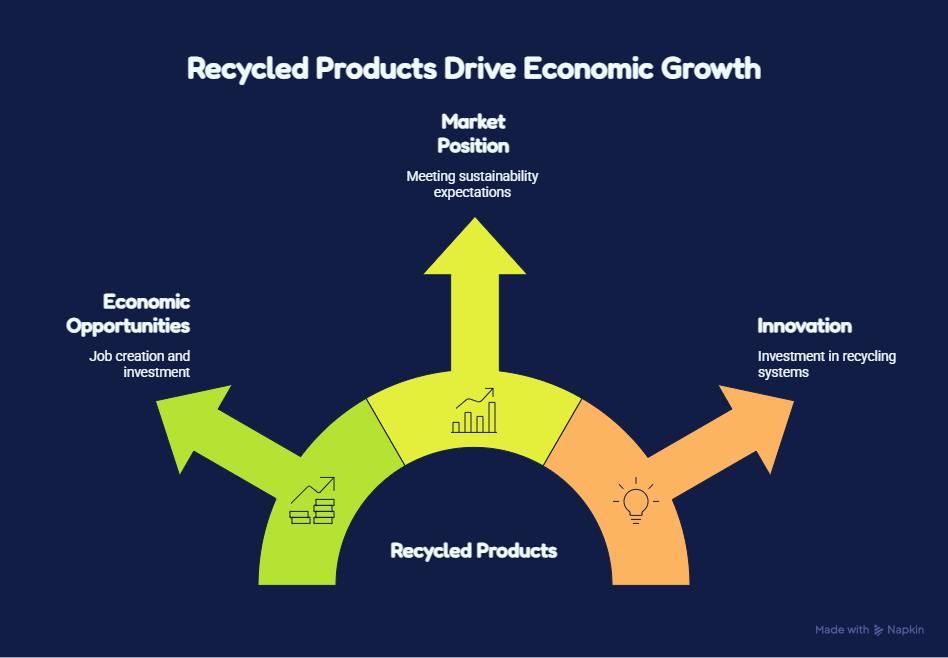
Recycled products offer more than environmental advantages. They also create economic opportunities, support employment, and encourage innovation. As demand for sustainable products grows, recycled materials are becoming an important part of modern business strategies and economic development.
Growing Market Demand
Consumers are becoming more aware of environmental issues and actively seek eco-friendly products. This shift in purchasing behavior has increased demand for recycled plastic products across many industries.
Businesses that use recycled materials can meet sustainability expectations while strengthening their market position. Growing demand also encourages investment in recycling infrastructure and material recovery systems.
Creating Green Jobs
The recycling industry generates employment throughout the collection, sorting, processing, and manufacturing stages. Workers are needed to manage recycling facilities, operate equipment, transport materials, and develop new recycled products.
As recycling programs expand, more green jobs are created. These opportunities contribute to local economic growth while supporting environmental sustainability goals.
Cost-Effective Manufacturing
Recycled plastic materials can help manufacturers reduce production costs in certain applications. Using recovered materials may lower raw material expenses and reduce dependence on fluctuating virgin plastic prices.
As recycling technologies continue to improve, the quality and availability of recycled materials are increasing. This makes recycled plastic a practical option for many manufacturing sectors.
Encouraging Sustainable Innovation
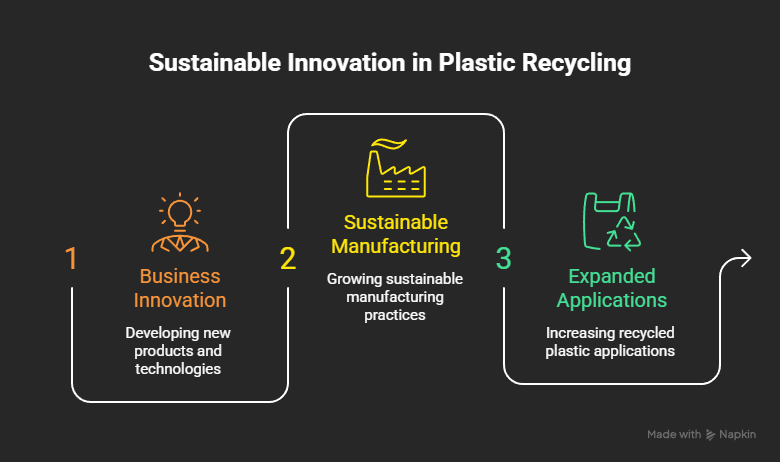
The need to reduce plastic waste has encouraged businesses to develop innovative products and recycling technologies. Companies are finding new ways to transform recycled plastics into durable and high-value products.
Innovation supports the growth of sustainable manufacturing and expands the range of recycled plastic applications. It also helps improve recycling efficiency and resource recovery.
Supporting Corporate ESG Goals
Many organizations have adopted Environmental, Social, and Governance (ESG) objectives as part of their long-term business strategies. Using recycled products helps companies reduce environmental impacts and demonstrate responsible resource management.
Incorporating recycled materials into products and packaging can improve sustainability performance and strengthen stakeholder trust. This supports both corporate responsibility goals and broader environmental initiatives.
Challenges in Reducing Plastic Pollution Through Recycling
Recycling is an important solution for plastic waste reduction, but it is not without challenges. Several technical, economic, and social barriers can limit recycling effectiveness. Addressing these challenges is essential for increasing recycling rates and reducing plastic pollution on a larger scale.
Plastic Contamination Issues
Plastic waste often becomes contaminated with food residue, labels, adhesives, or other materials. Contaminated plastics are more difficult and expensive to recycle because they require additional cleaning and processing.
High contamination levels can reduce the quality of recycled plastic materials and may cause recyclable items to be rejected. Proper waste segregation is critical for improving recycling efficiency.
Limited Recycling Infrastructure
Many regions lack adequate recycling facilities, collection systems, and sorting technologies. Without proper infrastructure, large amounts of recyclable plastic waste end up in landfills or the environment.
Expanding recycling infrastructure requires significant investment and long-term planning. Improved facilities can increase plastic recovery rates and support greater use of recycled products.
Public Awareness Gaps
Many consumers remain uncertain about which plastics can be recycled and how recycling systems operate. Incorrect disposal practices often lead to contamination and lower recycling performance.
Educational campaigns can improve public understanding of plastic waste management. Greater awareness encourages responsible disposal habits and increased participation in recycling programs.
Economic Challenges
In some cases, producing products from virgin plastic can be cheaper than using recycled materials. Fluctuating oil prices, collection costs, and processing expenses can affect the competitiveness of recycled plastics.
Recycling programs also require ongoing funding for transportation, sorting, and processing operations. Strong market demand, supportive policies, and technological improvements are needed to make recycling more economically sustainable.
Innovative Applications of Recycled Plastic Products
Advances in recycling technology have expanded the use of recycled plastic materials across many industries. Today, recycled plastics are transformed into durable, functional, and high-value products. These innovative applications help reduce plastic pollution while supporting sustainable manufacturing and resource conservation.
Recycled Polyester Clothing (rPET)
Recycled polyester, commonly known as rPET, is produced from recycled plastic bottles and packaging materials. The recovered plastic is cleaned, processed into fibers, and woven into fabrics used for clothing and accessories.
Many apparel brands now use rPET to create shirts, jackets, sportswear, bags, and footwear. This application helps reduce plastic waste while lowering the demand for virgin polyester production.
Plastic Lumber and Construction Materials
Recycled plastics are increasingly used to manufacture plastic lumber, decking boards, fencing, outdoor furniture, and construction panels. These materials offer durability, moisture resistance, and low maintenance requirements.
Using recycled plastic in construction diverts waste from landfills and creates long-lasting products that support sustainable building practices.
Road and Infrastructure Pavers
Engineers are exploring the use of recycled plastic materials in road construction and infrastructure projects. Recycled plastics can be incorporated into asphalt mixtures, paving blocks, and other construction components.
These applications help consume large volumes of plastic waste while improving material utilization. They also support circular economy objectives by finding practical uses for recovered plastics.
Eco-Friendly Packaging Solutions
Packaging is one of the largest markets for recycled plastic materials. Recycled plastics are used to manufacture bottles, containers, shipping materials, protective packaging, and retail packaging products.
Eco-friendly packaging solutions reduce demand for virgin plastic while helping businesses meet sustainability targets. As consumer demand for sustainable products increases, recycled packaging continues to gain popularity across industries.
How Businesses and Consumers Can Help
Reducing plastic pollution requires participation from both businesses and consumers. Individual actions, purchasing decisions, and responsible waste management practices can significantly increase recycling rates and support the use of recycled products. Small changes made consistently can create a meaningful environmental impact.
Choosing Recycled Products
Consumers can support plastic waste reduction by purchasing products made from recycled plastic materials. Many everyday items, including packaging, household products, clothing, and office supplies, are now available with recycled content.
When businesses and consumers choose recycled products, they increase demand for recycled materials and strengthen the circular economy.
Supporting Recycling Programs
Participation in local recycling programs helps ensure that plastic waste is properly collected and processed. Correctly sorting recyclable materials improves recycling efficiency and reduces contamination.
Businesses can also establish workplace recycling initiatives that encourage employees to recycle and reduce waste generation.
Reducing Single-Use Plastics
Limiting the use of disposable plastic products is one of the most effective ways to reduce plastic pollution. Reusable alternatives such as water bottles, shopping bags, food containers, and utensils help decrease plastic waste at the source.
Reducing single-use plastics lowers the volume of waste entering landfills, waterways, and recycling systems.
Promoting Sustainable Purchasing Decisions
Businesses can incorporate sustainability into procurement strategies by selecting suppliers that use recycled materials and environmentally responsible manufacturing practices.
Consumers can support these efforts by choosing eco-friendly products, researching sustainable brands, and prioritizing products with recycled content. These purchasing decisions encourage broader adoption of sustainable manufacturing and plastic waste reduction practices.
The Future of Recycled Products in Combating Plastic Pollution
The future of recycled products looks promising as governments, businesses, and consumers place greater emphasis on sustainability. Technological advancements, stronger environmental policies, and growing market demand are expected to increase the role of recycled materials in reducing plastic pollution. These developments will help create a more efficient and sustainable plastic management system.
Emerging Recycling Technologies
New recycling technologies are improving the way plastic waste is processed and recovered. Advanced sorting systems, chemical recycling methods, and artificial intelligence-driven waste management solutions can increase recycling efficiency and recover materials that were previously difficult to recycle.
These innovations have the potential to improve recycling rates, reduce waste, and expand the range of recyclable plastic materials.
Increased Corporate Sustainability Commitments
Many companies are setting ambitious sustainability targets that include increasing recycled content in products and packaging. Businesses are investing in recycled plastic materials to reduce environmental impacts and meet consumer expectations.
Corporate commitments help drive demand for recycled products and encourage innovation throughout the recycling industry. As more organizations adopt sustainability goals, the market for recycled materials is expected to grow significantly.
Building a Circular Plastic Economy
A circular plastic economy focuses on keeping plastic materials in use for as long as possible through reuse, recycling, and responsible product design. This approach reduces waste generation and maximizes resource efficiency.
Building a circular economy requires collaboration among governments, businesses, recycling facilities, and consumers. Increased use of recycled products, improved recycling infrastructure, and stronger policy support will help reduce plastic pollution and create a more sustainable future for generations to come.
Conclusion
Recycled products are one of the most effective tools for reducing plastic pollution and creating a more sustainable future. By converting plastic waste into useful products, recycling helps keep plastics out of landfills, rivers, and oceans while conserving valuable natural resources. It also reduces the need for virgin plastic production, lowers greenhouse gas emissions, and supports the growth of a circular economy.
Beyond environmental benefits, recycled products create economic opportunities, encourage sustainable innovation, and help businesses achieve their sustainability goals. Although challenges such as contamination, limited infrastructure, and low recycling rates still exist, continued investment in recycling technologies and public awareness can improve recycling outcomes.
As governments, businesses, and consumers work together to support recycling initiatives and choose products made from recycled materials, the impact on plastic waste reduction can be significant. Every recycled product represents a step toward cleaner communities, healthier ecosystems, and a more sustainable planet for future generations.
Every sustainable choice you make today contributes to a cleaner, healthier, and more sustainable future.